
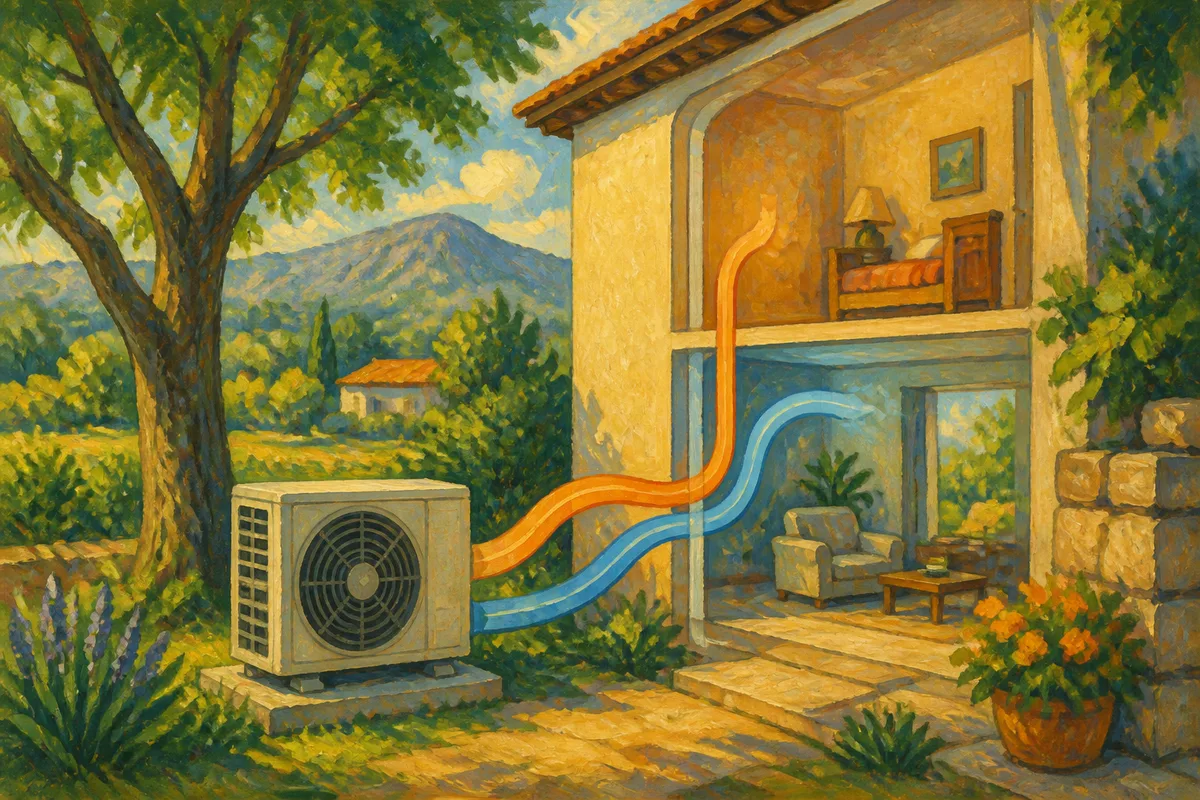
Heat Pumps, Explained Simply
If you have ever heard someone mention a heat pump and wondered how one gadget can both warm your house in the winter and cool it in the summer, you are not alone. It sounds a little like magic, but the idea behind it is actually pretty simple once you break it down.
Here in Boise, where winters can get chilly and summers turn dry and warm, understanding your heating and cooling options helps you make better choices for your home. This guide walks through what a heat pump does, how it compares to a furnace, and how to think about which setup might suit your household.
What Is a Heat Pump, Really?
A heat pump is a system that moves heat from one place to another instead of creating heat by burning fuel. In the winter, it pulls warmth from the outside air, even when it feels cold outside, and moves that warmth indoors. In the summer, it reverses the process, pulling heat out of your home and releasing it outside.
This is different from a furnace, which generates heat directly by burning gas or using electric resistance coils. A heat pump does not make heat from scratch. It simply relocates heat that already exists in the air around us. That is why the same unit can handle both heating and cooling duties throughout the year.
One Machine, Two Jobs: Heating and Cooling
The reason a heat pump can switch between heating and cooling comes down to a component called a reversing valve. This part changes the direction that refrigerant flows through the system. Flip it one way, and the unit pulls warmth into your home. Flip it the other way, and it pulls warmth out.
Because of this two-way design, a heat pump can often replace both a separate furnace and a separate air conditioner with one outdoor unit and one indoor coil. For homes with the right setup, that means less equipment taking up space and one system to keep an eye on instead of two.
Heat Pumps vs. Furnaces: Where Each Fits
Heat pumps tend to shine in climates with mild to moderately cold winters, since they work by pulling warmth from outside air. In areas that see stretches of very low temperatures, a furnace paired with an air conditioner, or a hybrid system that uses both, can sometimes make more sense depending on the home and how it is built.
Idaho winters can swing from mild to genuinely cold, so the right choice often depends on your specific house, your ductwork, and how you like your home to feel during the coldest weeks of the year. Some homeowners pair a heat pump with a backup furnace, letting the heat pump handle most of the season and the furnace step in during extreme cold.
There is no single right answer for every home, which is exactly why it helps to talk through your situation with someone who can look at your space and your goals. If you are weighing a heat pump against a furnace, or wondering whether a combination setup fits your home, give us a call and we can talk through what makes sense for you.
Signs a Heat Pump Might Be Right for Your Home
If your current system is aging and you are exploring new options, a few things are worth considering. Homes without existing gas lines sometimes find heat pumps appealing since they run on electricity alone. Homeowners who like the idea of one system handling both heating and cooling also tend to like the simplicity of a heat pump setup.
On the other hand, homes in areas that see long stretches of very cold weather, or homeowners who prefer the steady, strong heat that a furnace provides, might lean toward keeping a furnace as their main heat source. Ductless mini-split systems, which work on similar principles to heat pumps, are another option worth asking about if parts of your home are hard to heat or cool evenly.
Keeping a Heat Pump Running Well
Like any heating and cooling equipment, a heat pump works best when it gets regular attention. Outdoor units need clear space around them so air can flow freely, and indoor coils benefit from routine checks to keep dust and build-up from slowing down airflow. Because the system runs for both heating and cooling seasons, it tends to log more total hours of use each year compared to equipment that only handles one job.
If you are noticing uneven temperatures, strange noises, or a system that seems to be working harder than it used to, it is worth having someone take a look before small issues turn into bigger ones. Whether you already have a heat pump, are thinking about installing one, or just want to refresh your knowledge on how your current setup works, we are happy to answer questions and help you figure out the best path forward for your home.
Questions about your own situation? The team at Western Heating & Air Conditioning is happy to help — call us at (208) 319-1736 or request an appointment.
This article is for general information only.